Color & Styling
Why the Right Color for You May Not Be the Color You Love
Many people experience this situation: they love a certain color, but when they wear it, something feels off. Their face looks dull, their presence feels weaker, or the outfit simply doesn’t feel like “them.”
The truth is: The color you love is not always the color that loves you back.
This is where the combination of Personal Color and Styling becomes essential.
Why 12-Season Analysis Makes Styling Practical
The traditional 4-season system (Spring, Summer, Autumn, Winter) provides a helpful overview of color direction.
However, real life styling requires more nuance.
The 12-season system identifies:
Best Season – colors that enhance you the most
Second Best Season – supportive and wearable alternatives
Worst Season – colors that should be used carefully
This depth allows color theory to be applied realistically to daily life and professional contexts.
When Your Personal Colors Don’t Match Your Professional Image
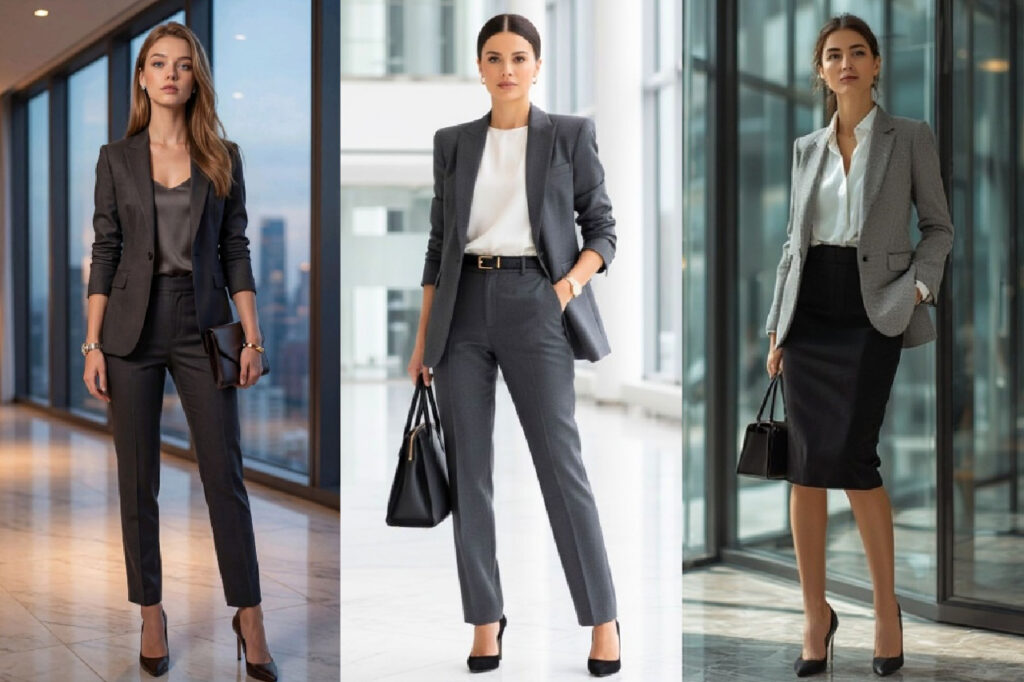
Consider someone working in a law firm, where the expected image is calm, credible, and professional.
If their Personal Color result is Spring Clear, which is known for bright, fresh, and lively colors, a conflict may seem inevitable.
How can bright colors coexist with a serious professional environment?
The Answer Is Styling — Not Avoiding Color
Many people solve this conflict by wearing black or dark neutrals exclusively.
However, black is not flattering for everyone and can sometimes make the face appear harsh or tired.
Good styling does not suppress your identity. It designs how your colors appear in context.
Using Best, Second Best, and Worst Seasons in Styling
Best Season
Use your best colors close to the face through tops, blouses, scarves, or accessories. For Spring Clear, this may mean soft warm tones with clarity rather than intensity.
Second Best Season
These colors often feel more restrained and professional. They work well for suits, jackets, skirts, and trousers.
Worst Season
Worst colors are not forbidden. They should simply be placed away from the face such as shoes, belts, or bags rather than main garments.
Styling Bridges Identity and Real Life
Color and styling are not about following rules. They are about understanding yourself and applying that understanding to your real lifestyle.
Instead of hiding behind black, you can learn to look professional, confident, and authentic while staying true to your personal colors.